
News
2026
Discussion on AI impact on higher education at the NU conference
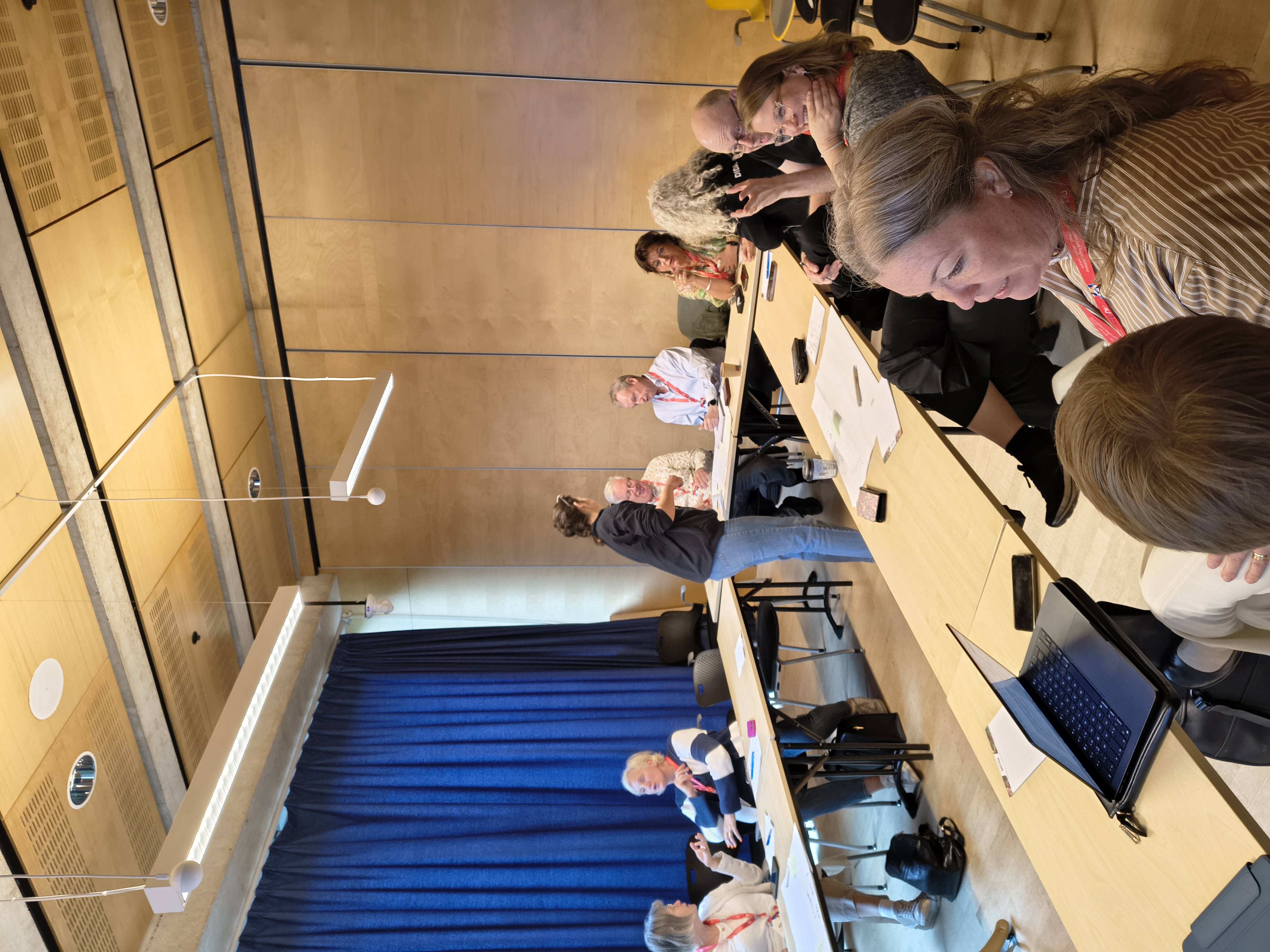
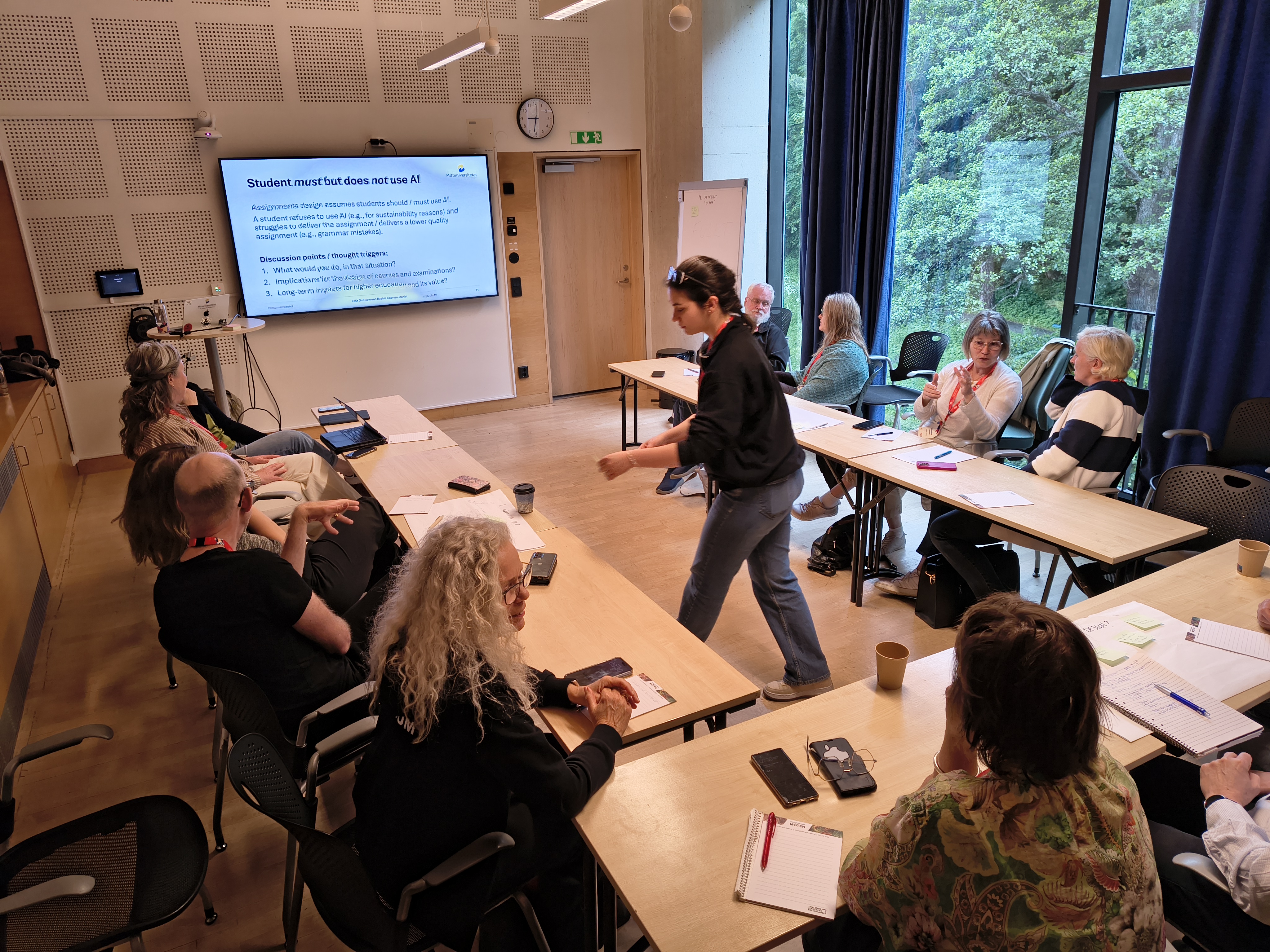
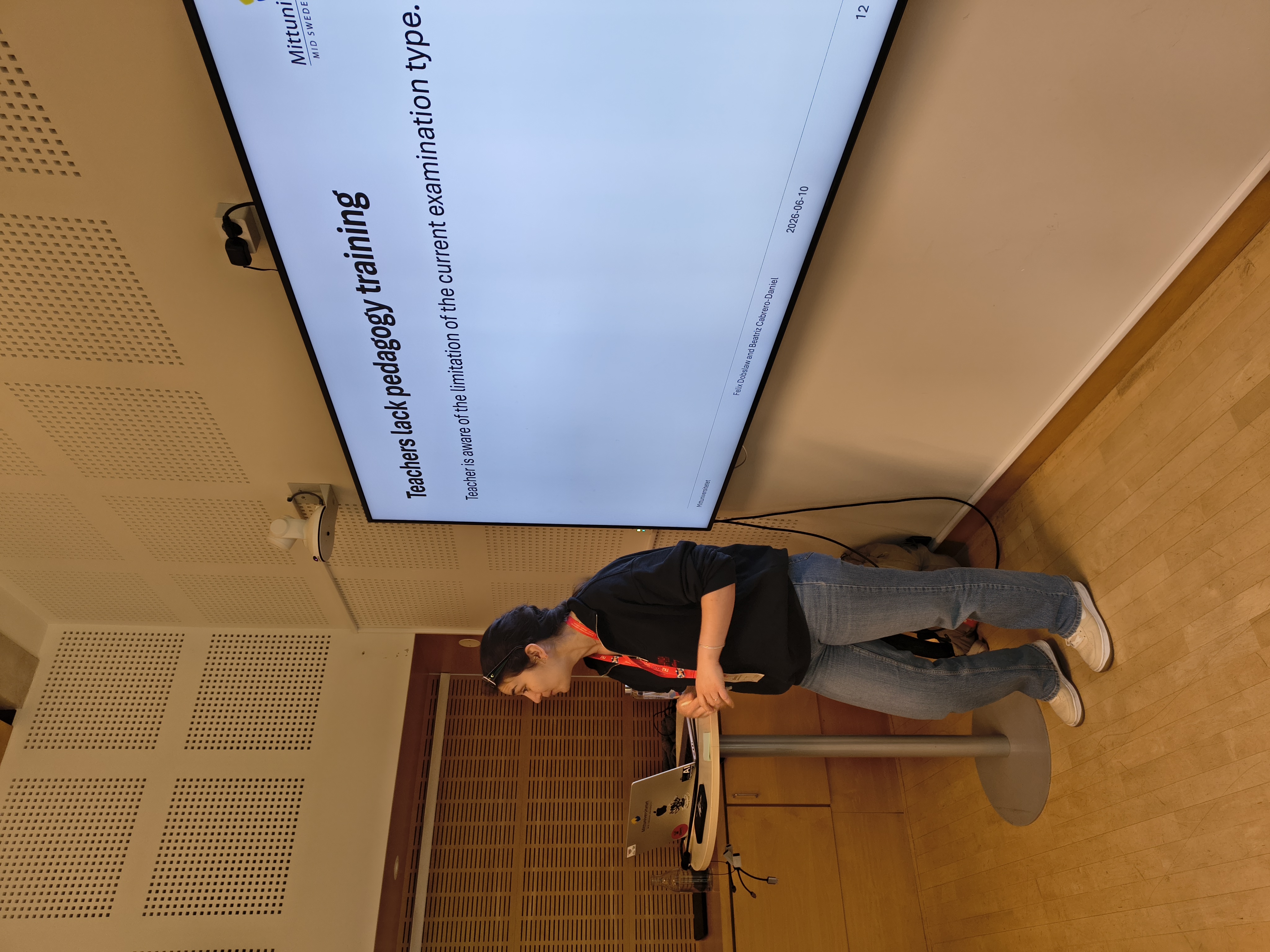
On 8-10 June 2026 the NU conference was held in Gothenburg, and some of us attended the conference to learn all about pedagogical advances in universities across the country. Moreover, Felix Dobslaw and Beatriz Cabrero-Daniel organised a roundtable discussion on the future of higher education in the era of Generative AI.
As you can see in the pictures, the participants’ views and experiences were gathered in sticky notes, and will soon be shared in a public repository with a unique Digital Object Identifier.
SEE group receives 6.9 MSEK ESF grant for SAIP – Software and AI Transformation Platform
Felix Dobslaw and Anna Sörensson have been awarded a 6.9 million SEK European Social Fund (ESF) grant, co-financed by Region Jämtland Härjedalen, for the three-year SAIP – Software and AI Transformation Platform project, starting in September 2026.
The project will establish a long-term arena for software development and AI in the Jämtland–Härjedalen region, bringing together businesses, the public sector, researchers, and students to develop new knowledge, build collaborations, and strengthen regional innovation capacity. Activities include needs analyses, workshops, and a participant-driven unconference, with engagement from the national software engineering research community.
See the announcement on LinkedIn →
Column published in IEEE Software on AI transformation readiness
Felix Dobslaw, together with Lucas Gren, Markus Borg, and Erik Sterner, has published a column in IEEE Software titled “AI Transformation: Ready or Already?”
The column argues that the outcomes of generative AI initiatives depend on readiness — not technology alone — and examines the organizational, individual, and technological dimensions that determine whether AI transformations succeed or fail. Published in IEEE Software, Volume 43, Issue 3, May–June 2026, pages 8–12. DOI →
Paper accepted in the IEEE International Conference on Intelligent Transportation Systems
Our paper “Similarity-metrics for fast retrieval of manoeuvrer data reduced to one dimension using Space Filling Curves” by Beatriz Cabrero-Daniel, who recently joined MIUN and SEE as Assistant Professor, Lydia Armini, and Christian Berger (from the University of Gothenburg and Chalmers University of Technology) has been accepted for publication in the IEEE International Conference on Intelligent Transportation Systems (ITSC)!
The paper summarises a computational methods study about similarity metrics for multidimensional data after encoding them into one dimension using Space-Filling Curves. The goal is to retrieve similar data points from large datasets under safety-critical real-time constraints. The link to the publication in IEEE Xplore will appear here shortly!
On Forecasting Truck Driving Manoeuvrers with Foundation Models for Time Series Data
The paper “On Forecasting Truck Driving Manoeuvrers with Foundation Models for Time Series Data” by Beatriz Cabrero-Daniel, Simon Börjesson (Lund University), Erik Ersmark (Lund University), Pierre Nugues (Lund University), Klara Eliasson (Volvo Group Trucks Technology), and Christian Berger (University of Gothenburg and Chalmers University of Technology) is now accepted for presentation in the IEEE International Conference on Intelligent Transportation Systems (ITSC) and pending publication in IEEE Xplore!
This paper presents a number of experiments with both synthetic and real data, we evaluated several foundation models for predicting time-series data (with Chronos-Bolt and PatchTST as the best-performing ones). It is interesting to note that while foundation models are very interesting tools to consider, in many cases they do not substantially outperform smaller deep learning models!
For more information about this project, please check the Vinnova website.
Paper accepted in Philosophy & Technology (Springer Nature)
Our paper “A Conceptual Crosswalk Between Trustworthy Records and Trustworthy AI” by Lais Barbudo Carrasco, Tove Engvall, and Felix Dobslaw has been accepted for publication in Philosophy & Technology (Springer Nature).
The paper bridges archival science and AI: where archival science has long grounded trustworthiness in authenticity, integrity, and provenance of records, Trustworthy AI frameworks tend to reduce it to a technical checklist of transparency and explainability. Drawing on a scoping review of 151 papers and a conceptual crosswalk between the two fields, we argue that integrating archival principles reframes AI trustworthiness as an ongoing institutional and ethical commitment — not just a system-level property. Published in Philosophy & Technology 39(2). DOI →
The First SEE4J Workshop — Fashion-Driven Software Engineering in Practice
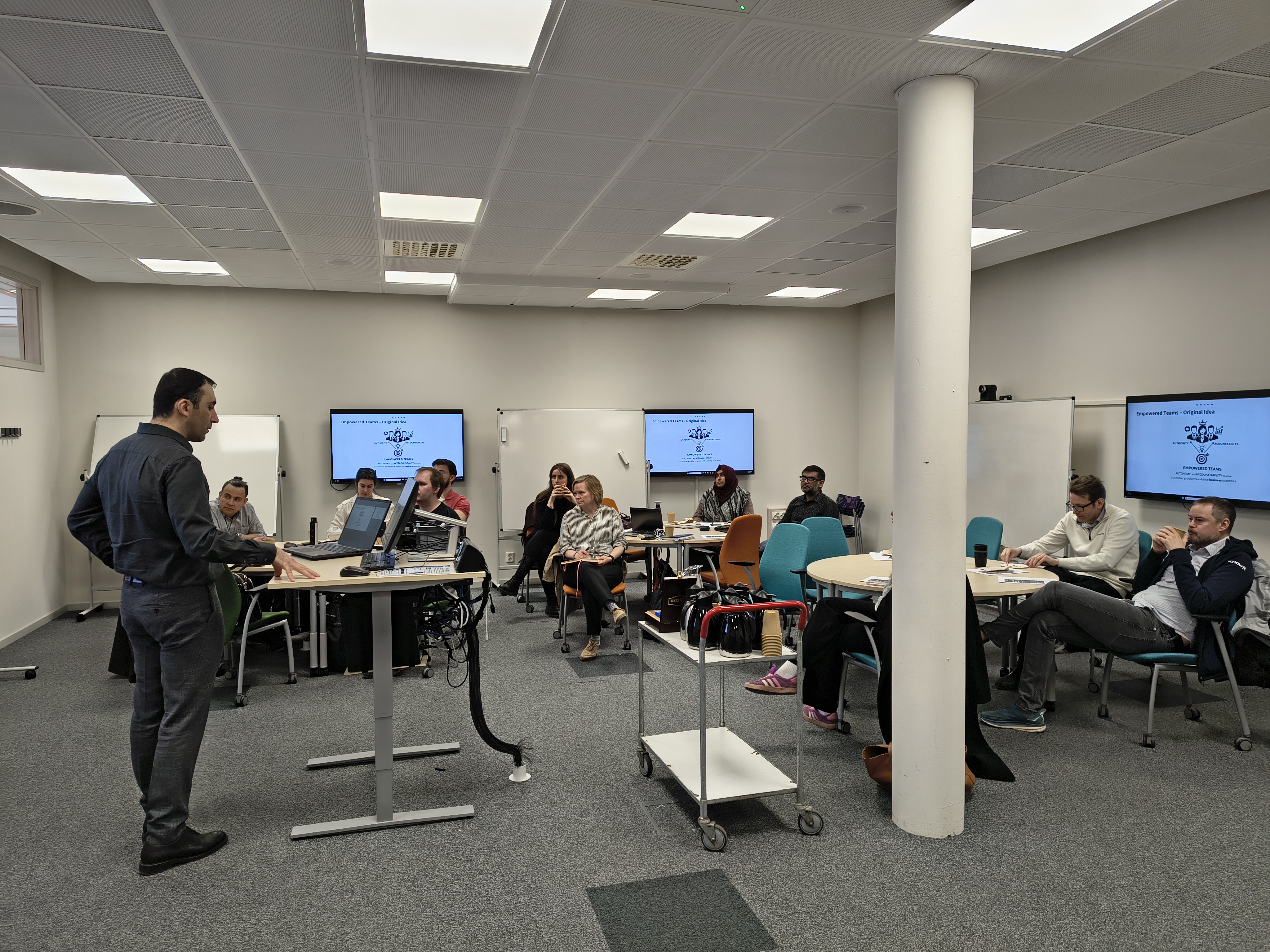
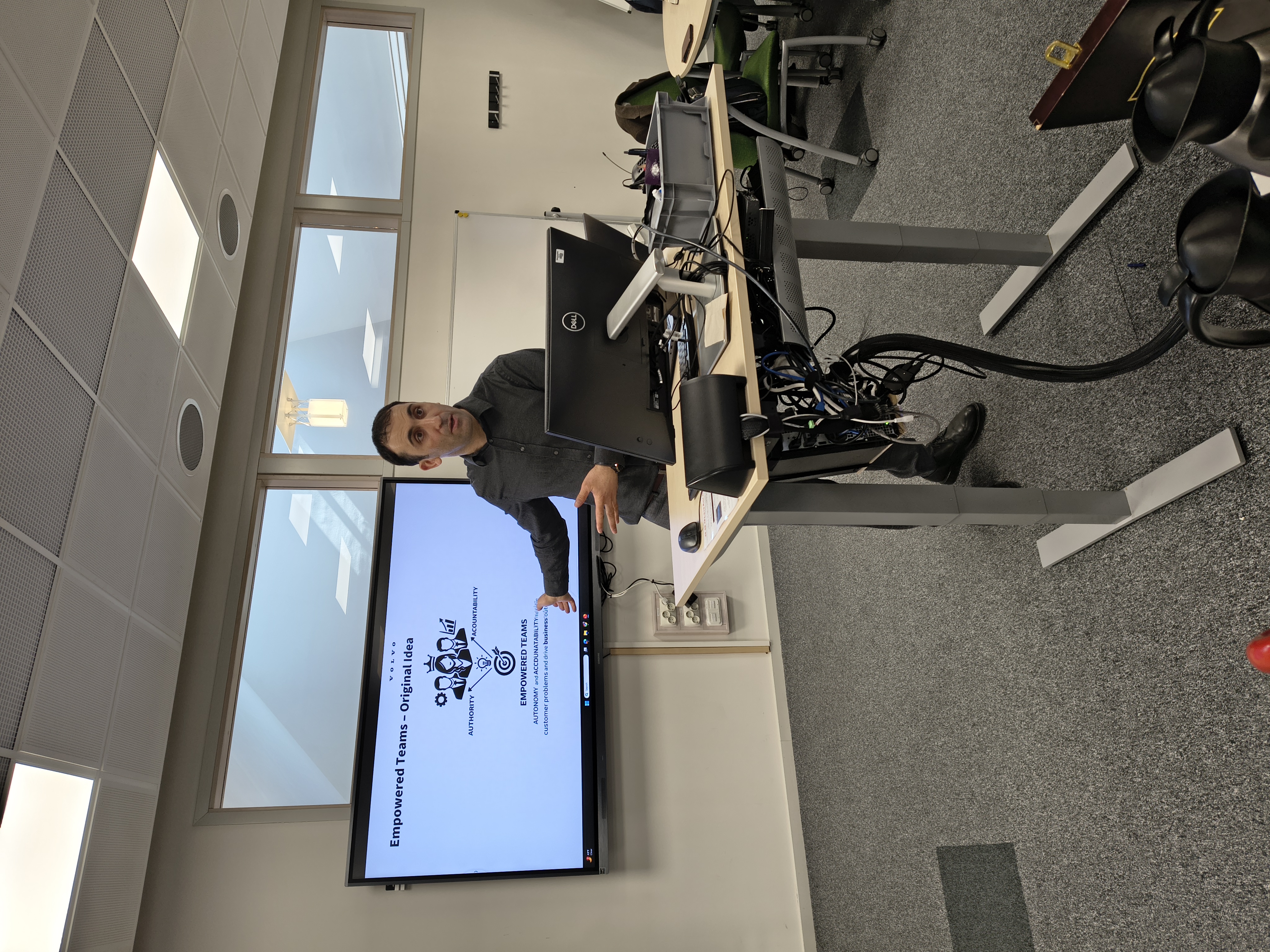
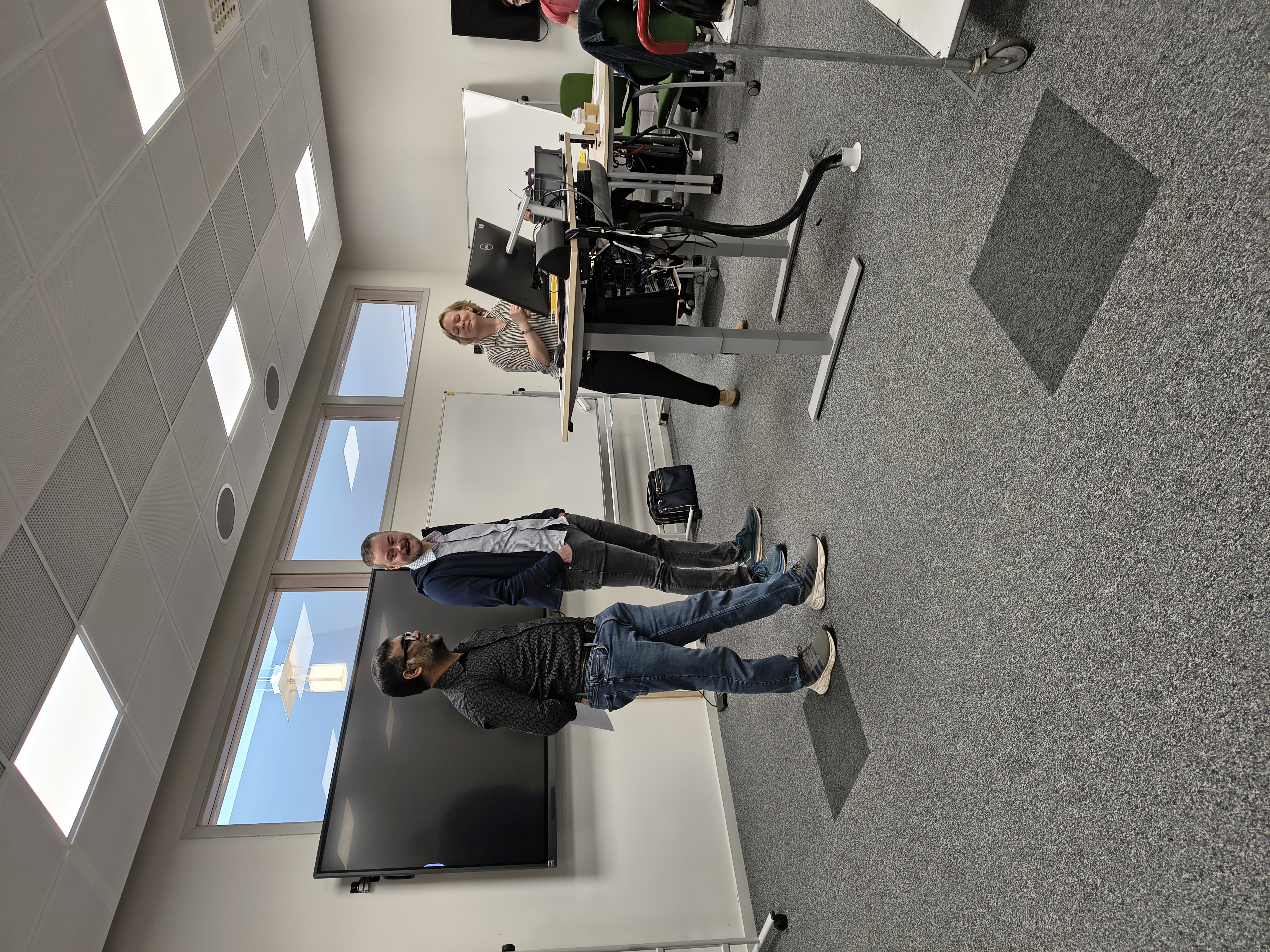
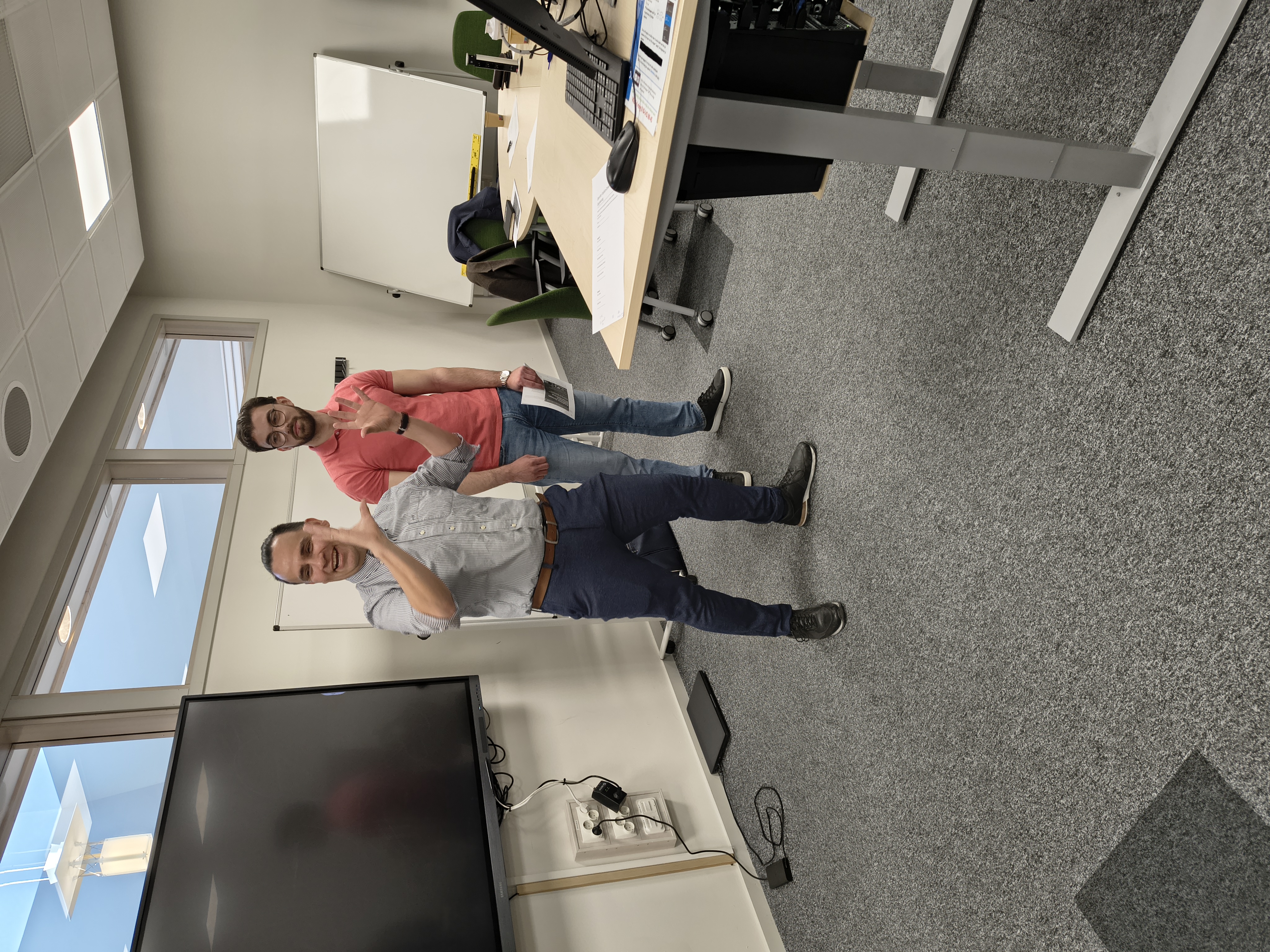
On 20 April we hosted the first SEE4J Workshop with Vard Antinyan (Volvo Trucks) — industry and academia discussing software engineering trends honestly: what they promise, what actually happens, and where things go wrong. Thank you Vard for the remarkable openness that made this such a great session!
Awais Ahmad successfully defends PhD thesis at Uppsala University
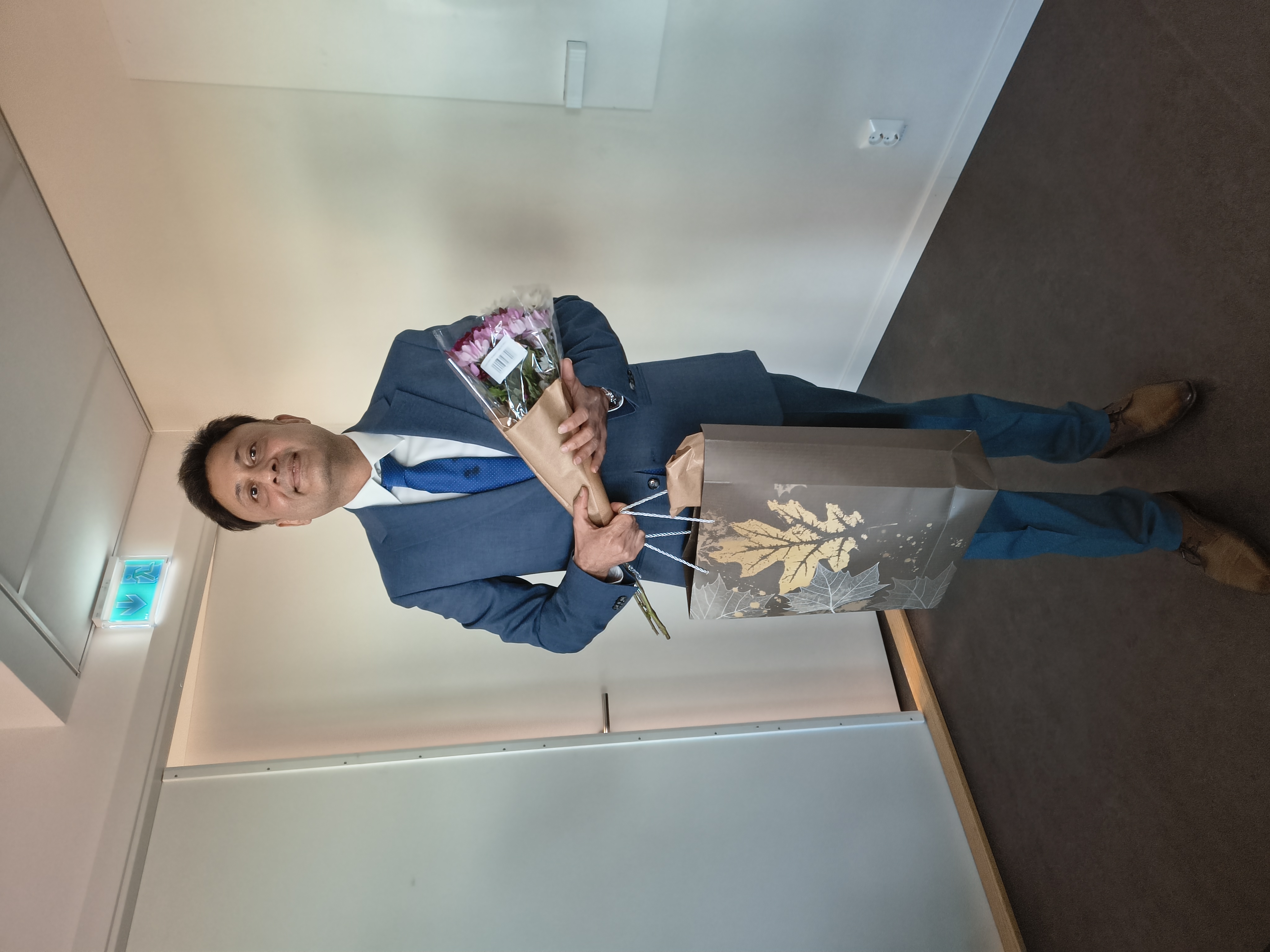
Congratulations to Awais Ahmad, who on March 27 successfully defended his PhD thesis “Designing for Well-being: A Human-Centred Design Approach to a Web-based Application to Support Informal Caregivers” at Uppsala University in the field of Computer Science with a focus on Human-Computer Interaction. The thesis addresses the needs of informal caregivers supporting patients with head and neck cancer, using human-centred design to develop web-based tools that improve caregiver well-being. Well done, Awais! We look forward to welcoming him back with us full-time on April 1st.
Paper accepted in ACM TOSEM — special issue on Software Engineering 2030
Our paper “Challenges in Testing Large Language Model Based Software: A Faceted Taxonomy” by Felix Dobslaw, Robert Feldt (Chalmers University of Technology), Juyeon Yoon, and Shin Yoo (KAIST, Republic of Korea) has been accepted in the ACM Transactions on Software Engineering and Methodology (TOSEM) special issue on Software Engineering 2030. The paper presents a taxonomy for LLM test case design, addressing the non-determinism of LLM-based software and introducing the notion of correctness as a distribution of outcomes rather than a binary property.
SEE Research Group receives Vinnova grant for Human-AI Collaboration project
We are thrilled to announce that the SEE Research Group has been awarded SEK 3,162,000 in funding from Vinnova for the project “Decision Aware Human AI Collaboration for Industrial Digital Products” (ref. 2026-00111), running from April 2026 to April 2028. The project is led by Sergio Rico, with Awais Ahmad and Felix Dobslaw as key members, and is carried out in collaboration with Volvo Trucks. This grant is a fantastic recognition of our work in applied AI and a great opportunity to make a real industrial impact — we couldn’t be more excited!
Trust requirements chatbot paper now published in Requirements Engineering
The paper “Addressing Trust Requirements in the Design of an Open-Source Multi-Agent LLM-Based Domain-Specific Chatbot” by Jonatan Axetorn, Felix Edholm, Felix Dobslaw, and Lucas Gren is now published open access in Requirements Engineering (Springer), presenting a three-agent architecture (judge, generator, checker) for an open-source HR chatbot focused on engineering trust from the ground up. For a short overview and context, see Lucas Gren’s LinkedIn post.
New ASE journal paper on automatic issue report classification
A new paper by Laiq Muhammad and Felix Dobslaw has been accepted to the Automated Software Engineering journal, presenting a systematic mapping of 46 studies on automatic techniques for classifying software issue reports into bugs and non-bugs. The study shows how approaches ranging from traditional machine learning to deep learning and recent LLMs still rarely involve practitioners or real industrial evaluations, highlighting important directions for future research.
Participation in Norwegian Software Engineering unconference in Kvitfjell
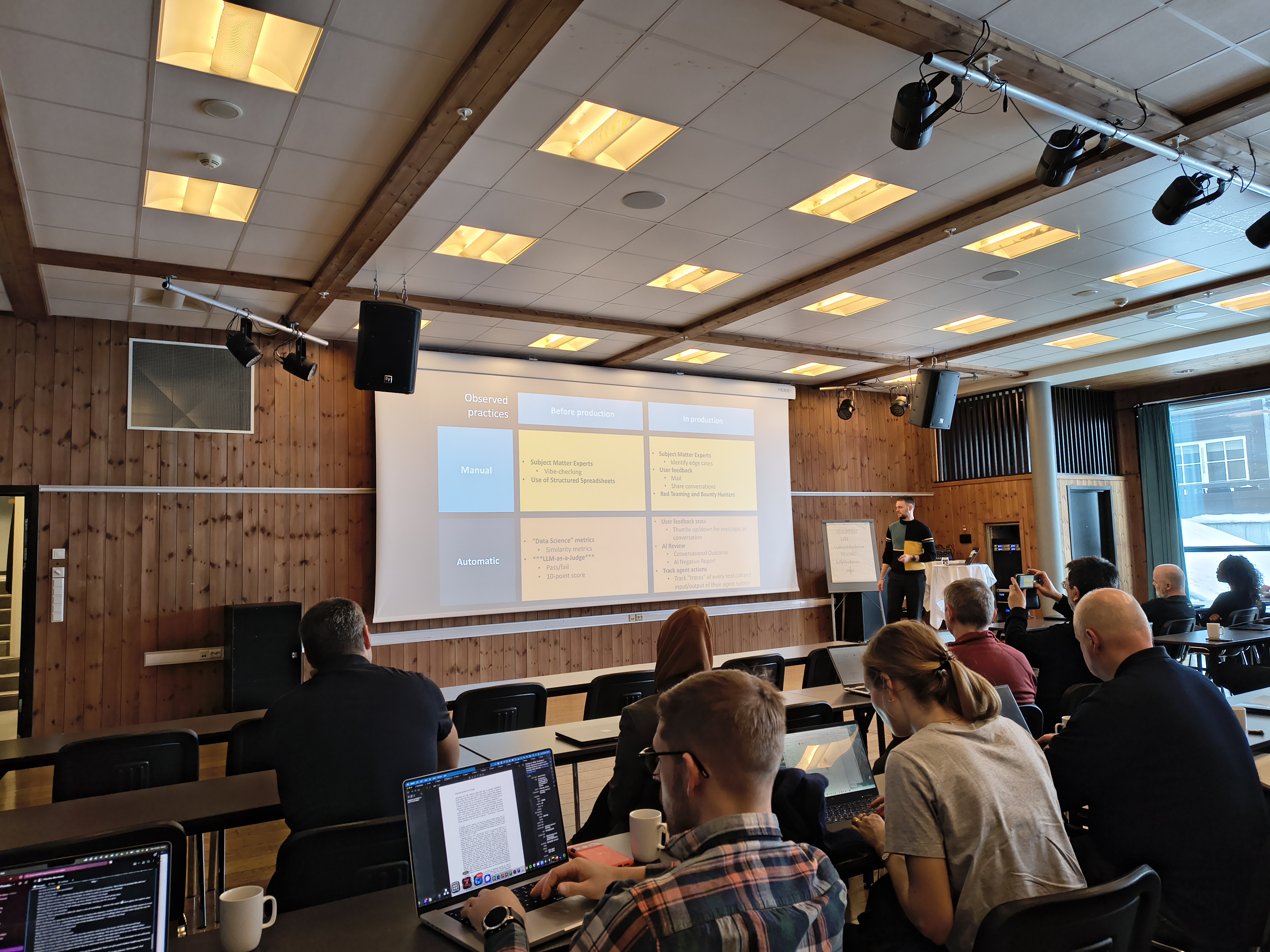
From 9–11 March 2026, three of us from Mid Sweden University participated in the Norwegian Software Engineering unconference in Kvitfjell, Norway. It was a fantastic location with great hospitality from the organizers, and Felix gave a lightning talk about collaboration in the Nordics while we gathered inspiration for a future Swedish unconference in the coming years.

SEE research group workshop on campus Östersund
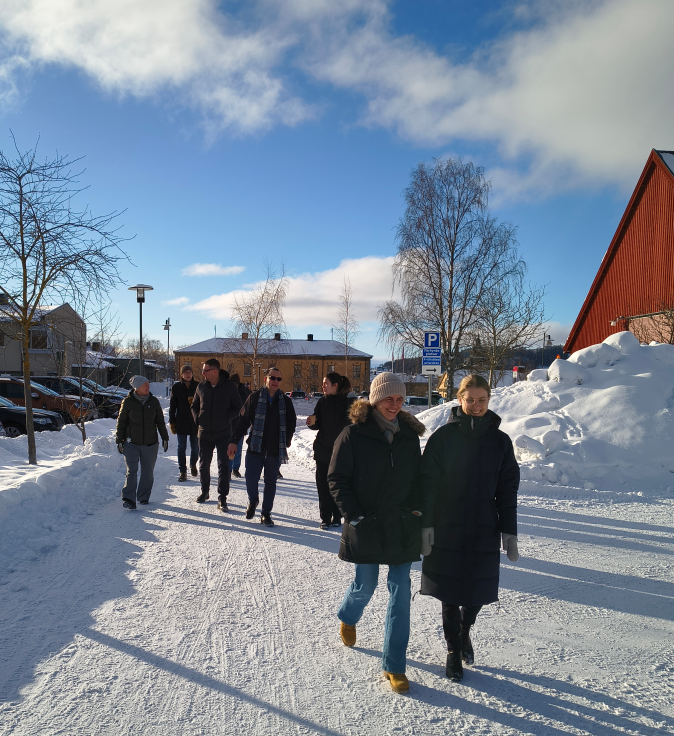
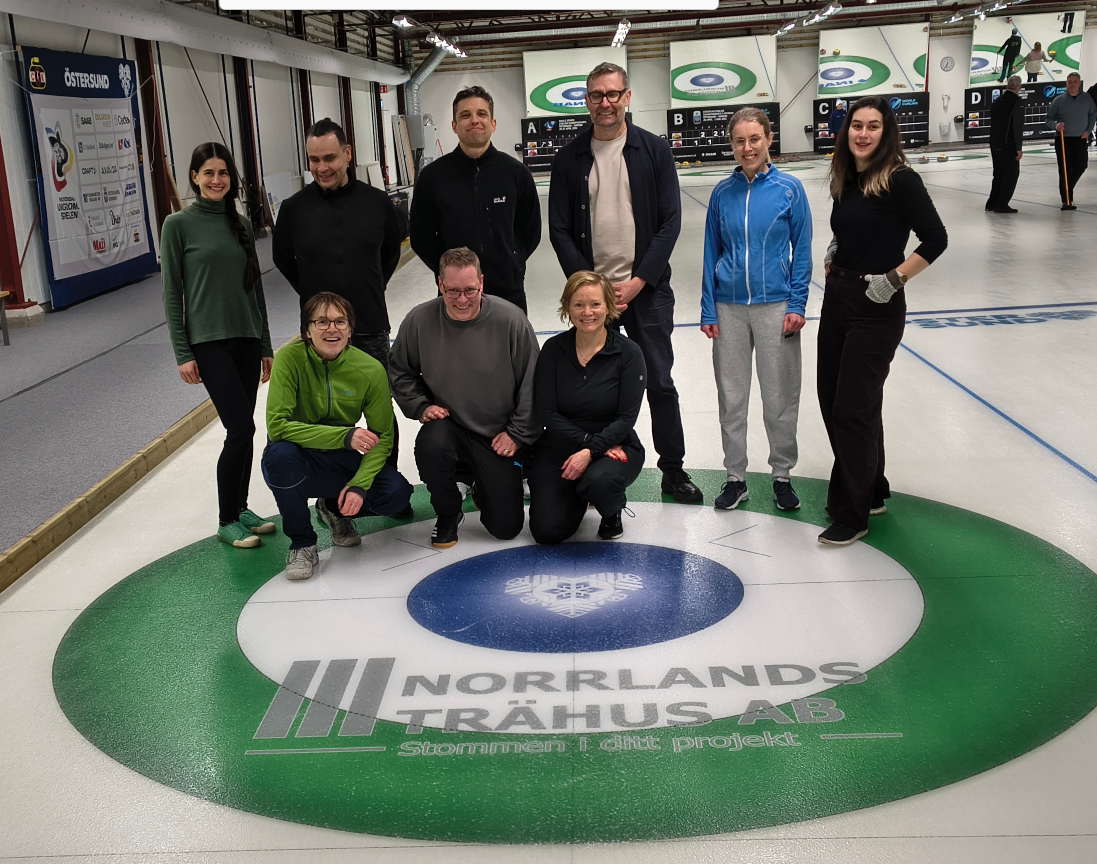
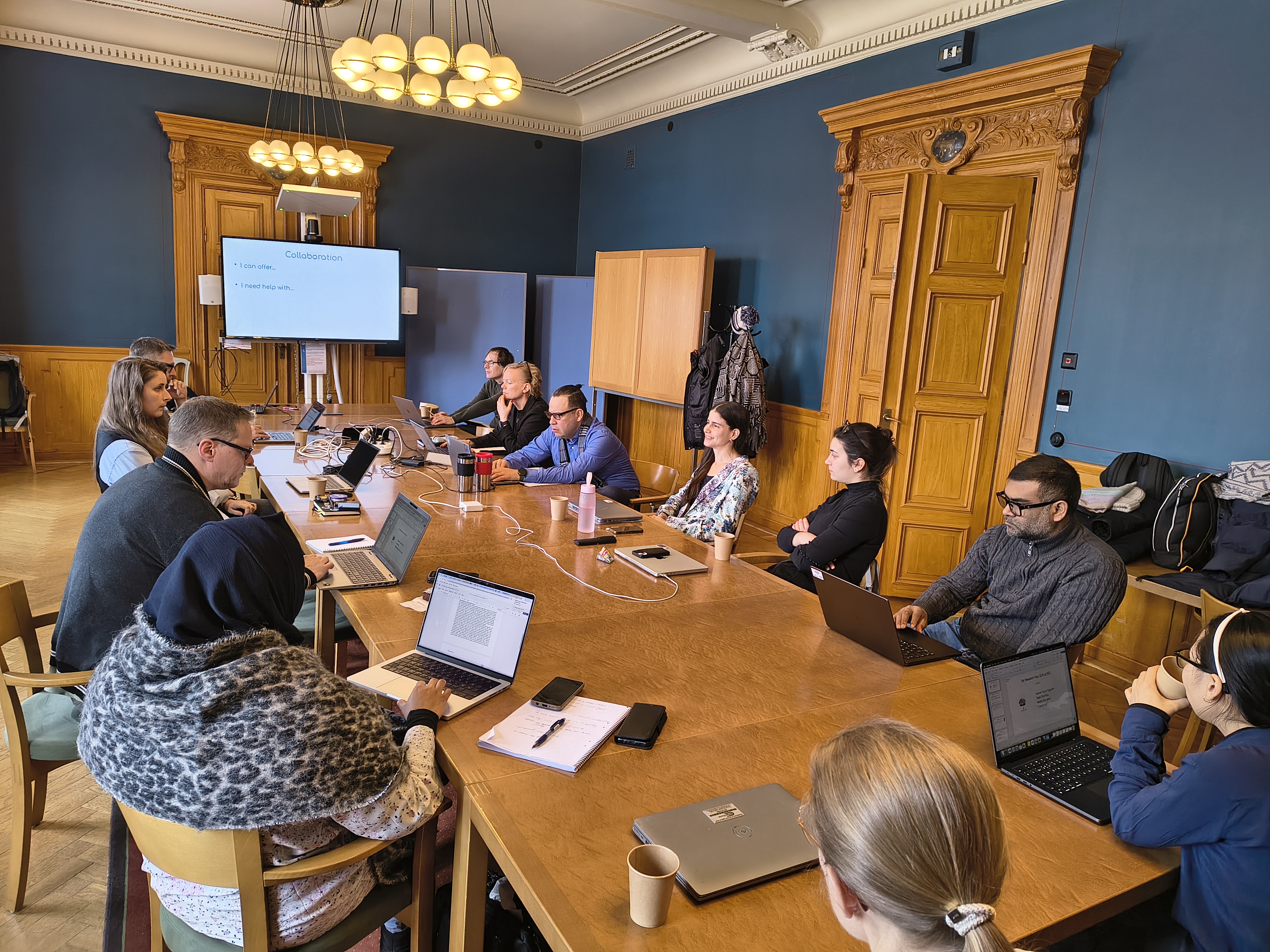
On 23–24 February 2026 we held a SEE research group workshop on campus Östersund, where many of us in the growing group met in person for the first time. We welcomed, among others, our new guest professor Torgeir, played curling together, and ran an academic "speed dating" session to get to know each other’s research interests and future collaboration ideas.
Guest visit — Prof. Jakob Svensson (Malmö University)
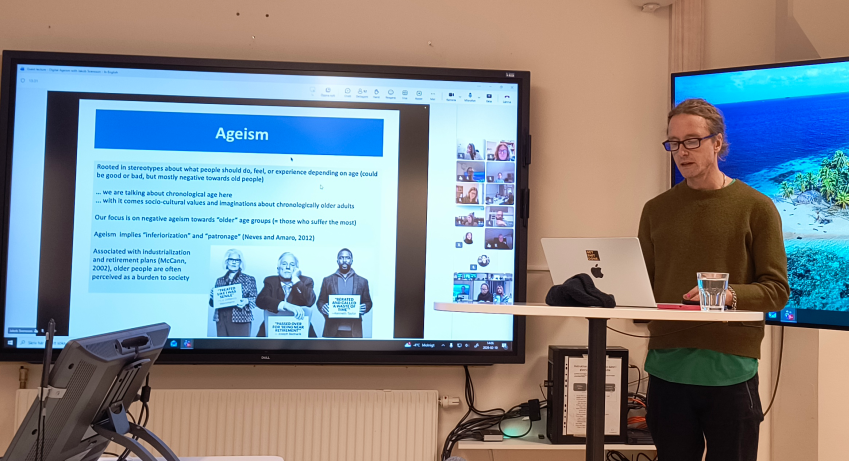
Last week we welcomed Prof. Jakob Svensson (Malmö University) to the SEE research group in Östersund.
SETBVE paper accepted in ACM TOSEM
A paper co-authored by group member and supervisor Felix Dobslaw has been accepted: SETBVE: Quality-Diversity Driven Exploration of Software Boundary Behaviors (Akbarova, Sabinakhon · Dobslaw, Felix · Gomes de Oliveira Neto, Francisco · Feldt, Robert) in ACM Transactions on Software Engineering and Methodology, accepted 9 February 2026.
Three recent paper acceptances in 2026
Our group is happy to share that three works have recently been accepted:
- Addressing Trust Requirements in the Design of an Open-Source Multi-Agent LLM-Based Domain-Specific Chatbot – accepted for publication in Requirements Engineering (Springer Nature).
- The Expert Validation Framework (EVF): Enabling Domain Expert Control in AI Engineering – accepted to the CAIN 2026 Industry Track (ICSE Companion ’26), with a preprint available on arXiv.
- Understanding on the Edge: LLM-generated Boundary Test Explanations – accepted to the 7th ACM/IEEE International Conference on Automation of Software Test (AST 2026).
SEE-AIT 2026 workshop co-located with FSE 2026
We are co-organizing the 1st International Workshop on Software Engineering for the GenAI Transformation (SEE-AIT 2026), a full-day event co-located with FSE 2026 in Montreal on July 5, 2026.
The workshop focuses on how software engineering can guide organizational GenAI transformation in a socio-technical, human-centric way, bringing together researchers and practitioners to discuss methods, architectures, and empirical evidence for responsible GenAI integration. We welcome high-quality contributions as extended abstracts or full papers, with a submission deadline on 12 February 2026 (AoE).
More details and the Call for Papers are available on the SEE-AIT website and on the SEE-AIT LinkedIn page.
Hello World
Welcome to our research group website!